
Conflict is an inevitable part of life, whether in our personal relationships or professional environments. But understanding the science behind how our brains react during conflict can provide us with powerful tools to de-escalate tense situations and foster more positive outcomes. By learning to recognize the neurological processes at play, we can consciously choose responses that promote calm and understanding rather than escalating the situation further.

Understanding the Brain's Response to Conflict
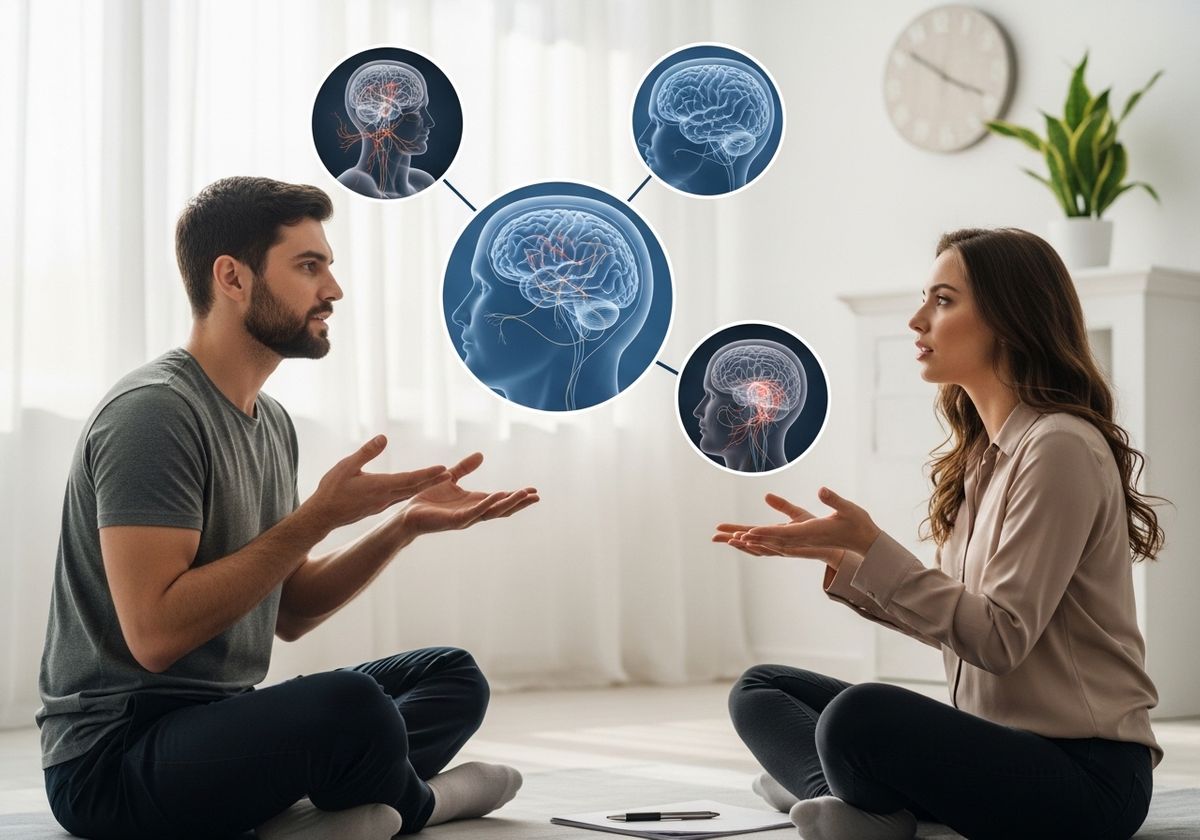
When faced with conflict, our brains often activate the "fight or flight" response, triggering the release of stress hormones like cortisol and adrenaline. This response can impair our ability to think rationally and empathetically, leading to reactive and potentially damaging behaviors. Recognizing this primal response is the first step in managing conflict more effectively. Emotional intelligence training can help in understanding and managing these responses, leading to more constructive outcomes during disagreements.
Practical Strategies for De-escalation
Recognize and Regulate Your Own Emotions
The first step in de-escalation is self-awareness. Before responding, take a moment to acknowledge your own feelings. Are you feeling angry, defensive, or anxious? Once you've identified your emotions, use techniques like deep breathing or mindfulness to calm your nervous system. This allows you to respond from a place of clarity rather than reactivity. Mindset coaching can provide personalized strategies to manage emotional responses effectively.
Practice Active Listening
Truly hearing and understanding the other person's perspective is crucial. Focus on what they're saying without interrupting or formulating your response. Show empathy by acknowledging their feelings. For example, you might say, "I understand that you're feeling frustrated." Active listening can diffuse tension and create a sense of being heard and valued.
Use Non-threatening Body Language and Tone
Nonverbal communication plays a significant role in conflict resolution. Maintain a calm and neutral facial expression, avoid crossing your arms, and use a gentle tone of voice. These cues can signal to the other person that you're not a threat and are open to finding a resolution. Relationship coaching often emphasizes the importance of nonverbal cues in effective communication.
Reframe the Situation
Try to shift the focus from blame to problem-solving. Instead of focusing on who is at fault, work together to find a solution. Use "I" statements to express your needs and feelings without accusing the other person. For example, instead of saying, "You always do this," try saying, "I feel overwhelmed when this happens." Reframing can help create a more collaborative environment.
Take a Break if Needed
If the conflict becomes too heated, it's okay to take a break. Suggest returning to the discussion later when both parties have had time to cool down. This prevents further escalation and allows for a more rational conversation. A personal development coach can help develop strategies for recognizing when a break is needed and how to effectively use that time.
The Power of a Balanced Approach
By understanding the brain science behind conflict and implementing practical de-escalation strategies, you can transform challenging interactions into opportunities for growth and connection. Remember, managing conflict is not about avoiding disagreement, but about engaging in it constructively. These techniques are all teachable skills, and can be greatly improved with the help of a life coach.
Incorporating these brain-based strategies into your daily life can significantly improve your relationships and overall well-being. At The Balanced Coach, we understand the complexities of emotional regulation and offer specialized coaching services to help you navigate conflict with confidence and grace. Explore our programs and discover how you can Find Balance. Break Through. Renew Your Mind. Contact us today to learn more about emotional intelligence training and mindset coaching.