

In today's fast-paced and ever-changing world, resilience is a crucial skill for navigating challenges and achieving success. But what if I told you that resilience isn't just a personality trait, but something you can actively cultivate by understanding how your brain works?
Understanding the Neuroscience of Resilience
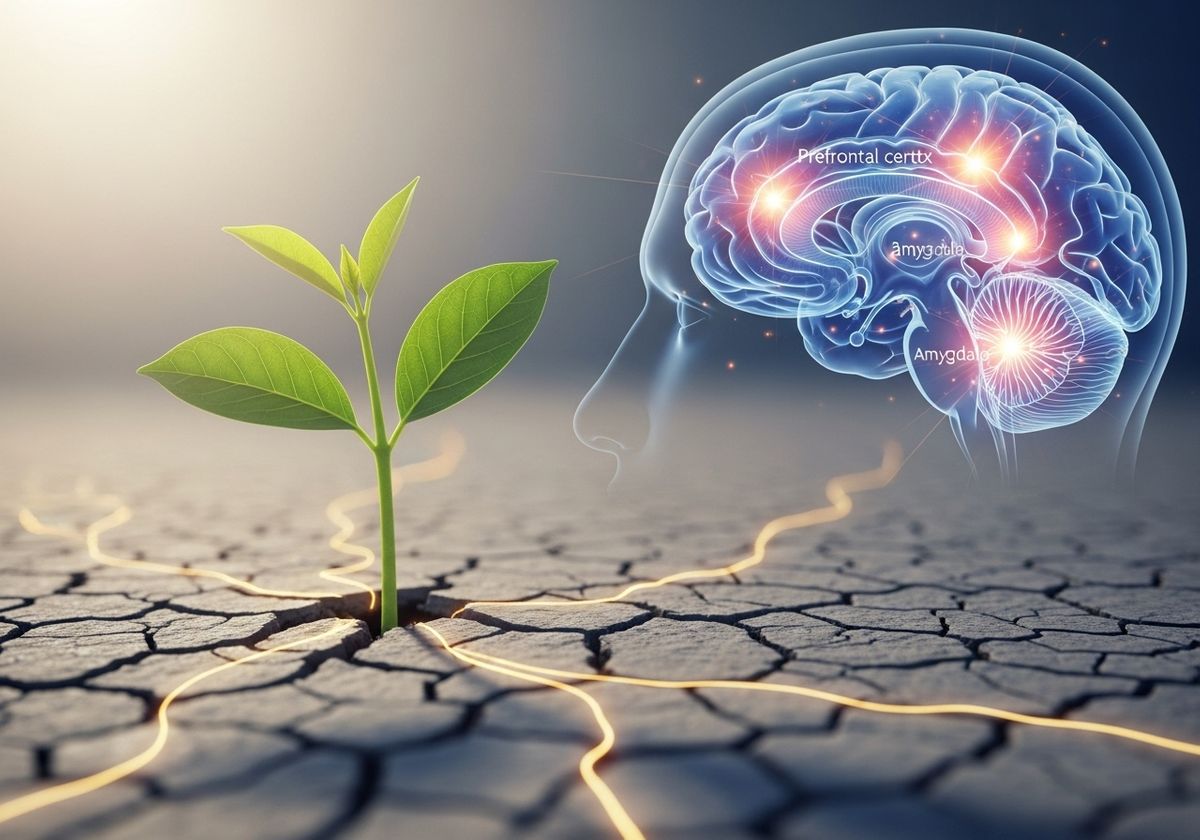
At its core, resilience is the ability to bounce back from adversity, adapt to change, and persevere in the face of setbacks. Neuroscience research has shown that certain brain regions and neural pathways play a key role in this process. The prefrontal cortex, for example, is responsible for executive functions like planning, decision-making, and emotional regulation – all essential for resilience.
Practical Strategies for Building Resilience
Cultivate a Growth Mindset: A growth mindset, as popularized by Carol Dweck, is the belief that your abilities and intelligence can be developed through dedication and hard work. This mindset activates neural pathways associated with learning and problem-solving, making you more open to challenges and less likely to be discouraged by failure.
Practice Mindfulness and Meditation: Mindfulness techniques, such as meditation, help to calm the amygdala (the brain's fear center) and strengthen the connection between the amygdala and prefrontal cortex. This allows you to regulate your emotional responses more effectively and approach stressful situations with greater clarity.
Engage in Regular Physical Exercise: Physical activity has been shown to increase the production of brain-derived neurotrophic factor (BDNF), a protein that supports the growth and survival of neurons. BDNF is particularly important for the hippocampus, a brain region involved in learning and memory, and plays a key role in building resilience.
Prioritize Sleep and Nutrition: Adequate sleep and a balanced diet are essential for optimal brain function. Sleep deprivation and poor nutrition can impair cognitive function, increase stress hormones, and weaken your ability to cope with challenges. Aim for 7-8 hours of quality sleep per night and focus on a diet rich in fruits, vegetables, and whole grains.
Seek Social Support: Strong social connections are vital for mental and emotional well-being. Social support activates the brain's reward system, releasing dopamine and oxytocin, which promote feelings of happiness, connection, and trust. Surround yourself with supportive friends, family, or mentors who can offer encouragement and guidance during difficult times.

Building resilience is an ongoing process that requires conscious effort and dedication. By understanding the neuroscience behind resilience and implementing practical strategies to strengthen your brain, you can develop the mental toughness needed to thrive in the face of adversity.
Just like any muscle, your brain can be trained and strengthened over time. At The Balanced Coach, we understand the importance of a holistic approach to personal growth, incorporating strategies for relationship coaching, mindset coaching, and emotional intelligence for leaders. As a certified life coach, The Balanced Coach can help you unlock your full potential and build a resilient mindset for lasting success. Ready to take the first step? Contact The Balanced Coach today to explore how our programs can support your journey towards greater resilience and well-being. Or, visit our website to learn more about emotional intelligence coach services.